
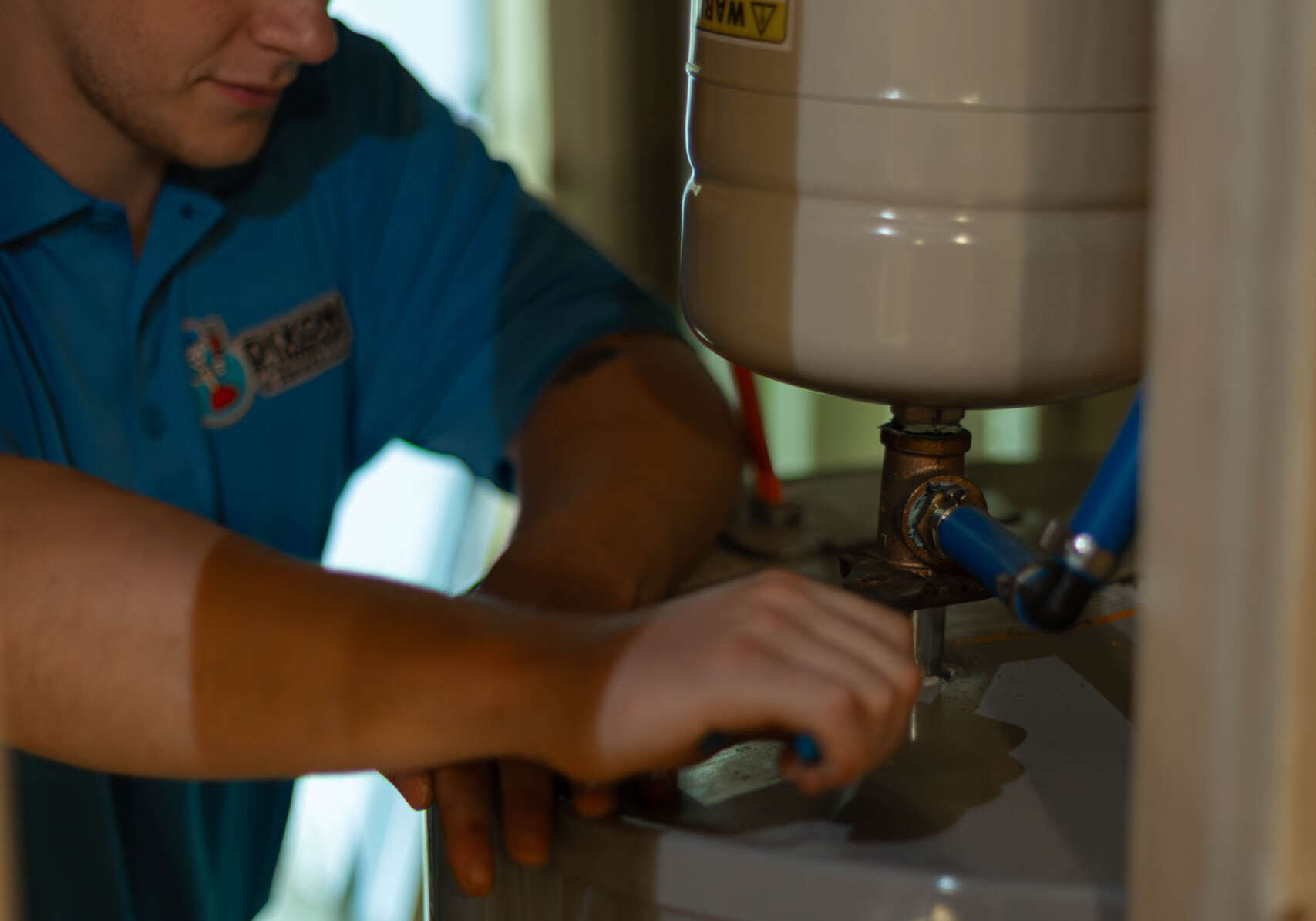
Expert Water Heater Installation you can trust
When your water heater starts failing, daily life gets inconvenient fast. Cold showers, rusty water, strange noises, leaks, and inconsistent hot water are all signs that your system may be near the end of its service life.
For homeowners in Northern Kentucky, water heater replacement is not just about swapping out an old tank. It’s about choosing the right system for your home, making sure it’s installed safely, and protecting your plumbing from future problems.
Dixon Plumbing And Service helps Northern Kentucky homeowners replace aging, unreliable, or leaking water heaters with practical recommendations and professional workmanship. As a family-owned plumbing company, our goal is simple: help you get dependable hot water without pressure, confusion, or unnecessary upsells.
When Should You Replace Your Water Heater?
Most homeowners should consider water heater replacement when the system is leaking, struggling to keep up with hot water demand, producing rusty water, or approaching the end of its expected lifespan.
A water heater does not always fail all at once. Many systems give warning signs before a major breakdown happens. Paying attention early can help you avoid water damage, emergency repairs, and days without hot water.
Common signs you may need a new water heater include:
- Hot water runs out faster than it used to
- Water temperature changes suddenly
- Rust-colored or cloudy hot water
- Popping, banging, or rumbling noises from the tank
- Water pooling around the base of the unit
- Frequent pilot light or burner problems
- Rising utility bills without another clear cause
- The unit is over 8–12 years old
A small repair may solve some issues, but once a water heater starts leaking from the tank itself, replacement is usually the safest and most cost-effective option.
Why Water Heaters Fail in Northern Kentucky Homes
Northern Kentucky homes deal with several conditions that can shorten the life of a water heater. Hard water, older plumbing systems, basement installations, seasonal temperature swings, and heavy household demand can all put stress on the unit.
Hard water is one of the biggest factors. Minerals build up inside the tank over time, creating sediment at the bottom. That sediment makes the system work harder, reduces efficiency, and can lead to popping noises or overheating inside the tank.
Older homes in communities throughout Northern Kentucky may also have outdated connections, older shutoff valves, or venting concerns that need to be addressed during replacement. That’s why professional installation matters. A new water heater should not be installed around old problems that could cause trouble later.
For broader plumbing support, homeowners can also explore Dixon’s plumbing services in Northern Kentucky when water heater issues are connected to leaks, pressure problems, or aging pipes.
Repair vs. Replacement: What Makes More Sense?
Water heater repair may be the right call when the system is relatively new and the problem is limited to a part like a thermostat, heating element, gas control valve, pilot assembly, or pressure relief valve.
Replacement usually makes more sense when the tank is leaking, the system is older, repairs are becoming frequent, or the unit no longer meets your household’s hot water needs.
Here’s a practical way to think about it:
Repair May Be Worth Considering If:
Your water heater is under 8 years old, the tank is not leaking, and the issue is isolated to a replaceable part.
Replacement Is Usually Better If:
Your water heater is older, leaking from the tank, producing rusty water, making loud sediment noises, or requiring repeated service calls.
A professional plumber can inspect the unit and help you make a clear decision. At Dixon Plumbing, the goal is not to replace equipment unnecessarily. It’s to give homeowners an honest recommendation based on safety, reliability, and long-term value.
Choosing the Right Water Heater for Your Home
Not every home needs the same water heater. The right replacement depends on household size, fuel type, water usage, available space, budget, and whether your current plumbing setup can support the new system.
The most common options include:
Traditional Tank Water Heaters
Tank water heaters store hot water in a tank and are still one of the most common choices for Northern Kentucky homes. They are dependable, familiar, and often a straightforward replacement when the home already has a tank-style system.
Gas Water Heaters
Gas water heaters are common in many local homes and can provide strong recovery times, meaning they heat new water relatively quickly after hot water has been used.
Electric Water Heaters
Electric units are another practical option, especially in homes without gas service. They require proper electrical connections and should be sized carefully based on household demand.
Tankless Water Heaters
Tankless systems heat water on demand instead of storing it in a tank. They can be a good fit for certain homes, but they require proper sizing, venting, gas supply or electrical capacity, and installation planning. They are not always the best choice for every household, but they can be a strong long-term option when installed correctly.
Dixon can help homeowners compare options and choose a system that makes sense for the home, not just the most expensive model.
What Happens During Water Heater Replacement?
Professional water heater replacement includes more than removing the old unit and connecting a new one. A proper installation should account for safety, code requirements, plumbing connections, venting, drainage, and long-term performance.
A typical replacement may include:
- Inspecting the existing water heater and connections
- Shutting off water, gas, or electricity safely
- Draining and removing the old unit
- Checking valves, supply lines, venting, and fittings
- Setting and connecting the new water heater
- Testing for leaks and proper operation
- Confirming hot water performance
- Reviewing basic homeowner maintenance and safety information
This is where experience matters. Incorrect installation can lead to leaks, carbon monoxide concerns with gas units, poor performance, code issues, and premature system failure.
If your water heater problem is causing active leaking, Dixon can also help with related leak detection and plumbing repair needs.
Why Professional Installation Matters
Water heaters involve water pressure, electrical components, gas lines, venting, temperature controls, and safety valves. That makes replacement a job best handled by a qualified plumbing professional.
DIY installation may seem like a way to save money, but it can create expensive problems if something is overlooked. An improperly installed water heater can leak, fail inspection, void manufacturer warranties, or create safety hazards.
A professional plumber can also spot issues that homeowners may miss, such as a failing shutoff valve, improper vent slope, outdated connections, or water pressure concerns. Fixing those details during replacement can help the new system last longer and perform better.
For urgent failures, homeowners can also contact Dixon for emergency plumbing service when hot water loss is connected to leaks, flooding, or other immediate plumbing concerns.
Local Considerations for Northern Kentucky Homeowners
Northern Kentucky homes vary widely. Some are newer builds with modern plumbing systems. Others are older homes with basements, utility rooms, crawl spaces, tight mechanical areas, or aging pipes.
That local variety matters during water heater replacement.
A plumber familiar with Northern Kentucky homes will know to look for common issues like:
- Hard water sediment buildup
- Older shutoff valves
- Basement floor drain access
- Venting challenges in older homes
- Water pressure concerns
- Family-sized hot water demand
- Seasonal strain during colder months
A water heater replacement should be done with the whole plumbing system in mind. If the old system failed because of sediment, pressure, or poor installation, those issues should be addressed before the new unit faces the same problems.
How to Help Your New Water Heater Last Longer
After replacement, a few simple habits can help extend the life of your new water heater.
Homeowners should know where the shutoff valve is, keep the area around the unit clear, watch for early signs of leaking, and schedule maintenance when performance changes. Depending on your water quality and system type, flushing the tank may also help reduce sediment buildup.
It’s also important not to ignore small changes. If your hot water starts running out faster, the temperature becomes inconsistent, or you hear new noises from the tank, it’s better to have the system checked early.
Preventive attention is usually easier and less expensive than waiting for a full failure.
Water Heater Replacement in Northern Kentucky
Frequently Asked Questions
Helpful answers for homeowners deciding whether to replace an aging, leaking, or unreliable water heater.
How do I know if my water heater needs to be replaced?
You may need water heater replacement if the tank is leaking, the water is rusty, the unit makes loud rumbling noises, or your hot water runs out much faster than it used to. Age is also a major factor. If your system is around 8–12 years old and having issues, replacement may be more practical than repair.
Is it worth repairing an old water heater?
Sometimes, but not always. If the water heater is newer and the issue is a replaceable part, repair may make sense. If the unit is older, leaking, inefficient, or needing repeated repairs, replacement is usually the better long-term decision.
How long does water heater replacement take?
Many standard water heater replacements can be completed in a single visit, depending on the home’s plumbing, venting, fuel type, and installation conditions. More complex replacements may take longer if upgrades or corrections are needed.
What size water heater do I need for my home?
The right size depends on how many people live in the home, how much hot water your household uses, and whether you choose a tank or tankless system. A professional plumber can help size the unit correctly so you are not constantly running out of hot water or paying for more capacity than you need.
Can I replace my own water heater?
Water heater replacement is not recommended as a DIY project for most homeowners. The job can involve gas lines, electrical connections, venting, water pressure, and safety valves. Improper installation can create leaks, safety risks, warranty problems, and code issues.
Do Northern Kentucky homes have hard water problems that affect water heaters?
Many homes in the region deal with mineral buildup that can collect inside tank-style water heaters. Over time, sediment can reduce efficiency, create noise, and shorten the system’s lifespan. Regular maintenance and proper installation can help reduce those issues.
Should I switch to a tankless water heater?
A tankless water heater can be a good option for some homes, but it depends on your household’s hot water demand, gas or electrical capacity, venting options, and budget. Dixon Plumbing can help you compare tank and tankless options before making a decision.
Who should I call for water heater replacement in Northern Kentucky?
Homeowners in Northern Kentucky can call Dixon Plumbing And Service for professional water heater replacement, honest recommendations, and dependable local plumbing support.
Call Dixon Plumbing for Water Heater Replacement in Northern Kentucky
If your water heater is leaking, unreliable, or no longer keeping up with your home’s needs, Dixon Plumbing And Service can help.
Our team provides honest guidance, professional replacement, and dependable plumbing service for homeowners throughout Northern Kentucky. We’ll help you understand your options, choose the right system, and make sure the installation is handled the right way.
For water heater replacement in Northern Kentucky, contact Dixon Plumbing And Service today.