
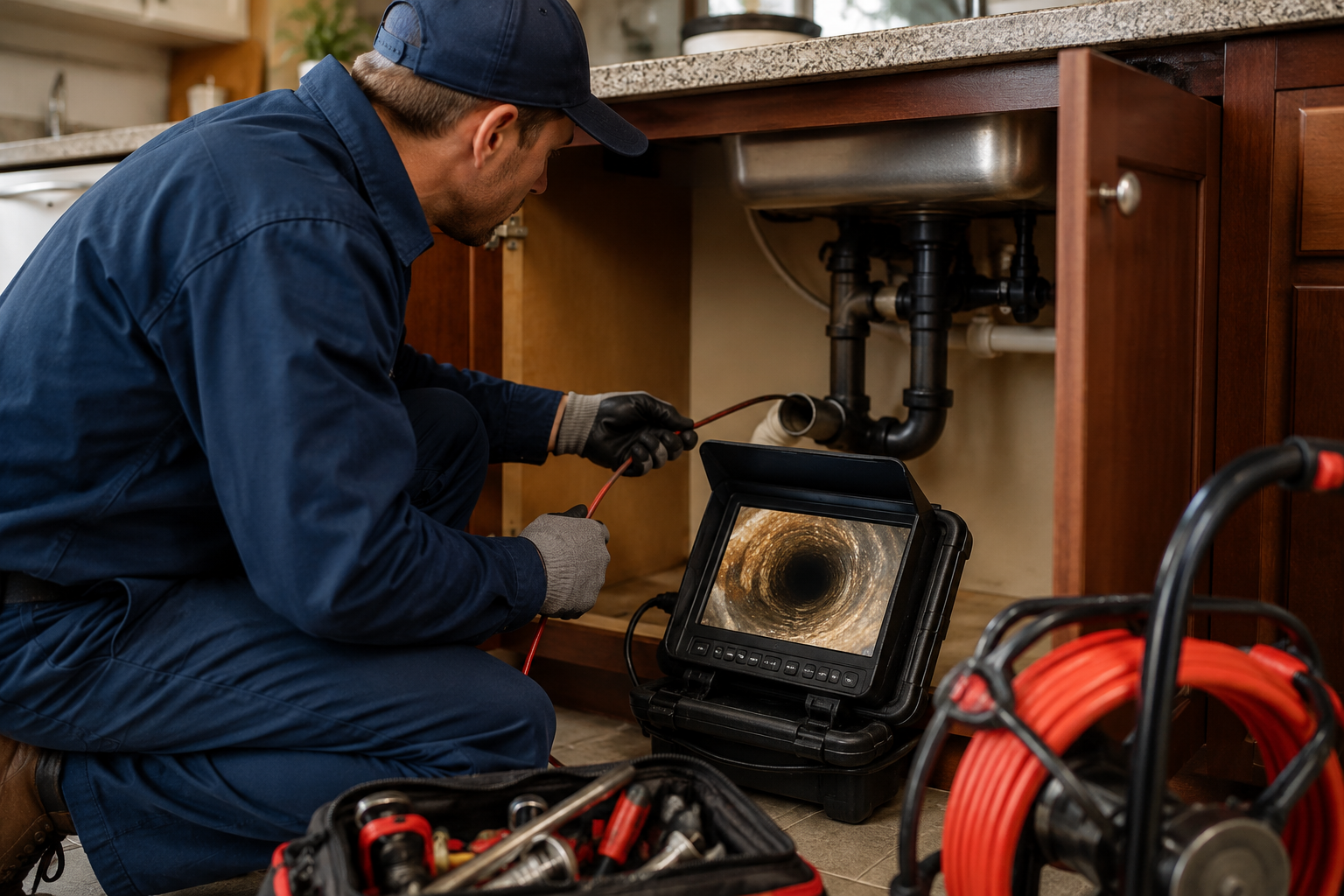
A slow or clogged drain can quickly turn from a minor inconvenience into a bigger plumbing problem. When water stops flowing properly, backs up into a sink or tub, or drains keep clogging no matter what you try, the problem often needs more than a temporary fix.
Dixon Plumbing And Service provides professional drain cleaning in Northern Kentucky for homeowners dealing with slow drains, stubborn clogs, recurring backups, and other drainage problems. As a local, family-owned plumbing company, we focus on finding the cause of the problem, explaining what’s happening, and helping you choose the most practical solution.
Whether you have one clogged sink or several drains backing up throughout your home, our team can help restore proper flow and determine whether a deeper plumbing issue needs attention.
Need help with a clogged or slow drain? Contact Dixon Plumbing And Service for professional drain cleaning in Northern Kentucky.
Professional Drain Cleaning for Northern Kentucky Homes
Professional drain cleaning removes blockages and buildup from plumbing lines so wastewater can flow properly again. Depending on the problem, a plumber may need to clear hair, grease, soap residue, food debris, foreign objects, or buildup deeper inside the drainage system.
Some clogs are simple. Others are symptoms of a larger issue.
A bathroom sink clogged with hair may only affect one fixture. When several drains become slow at the same time, however, the problem may be farther down the plumbing system. Gurgling toilets, wastewater backing up into tubs, and recurring whole-home drainage problems can point to a main drain or sewer line concern.
That’s why proper drain cleaning starts with understanding where the blockage is and what is causing it.
Dixon Plumbing And Service helps Northern Kentucky homeowners with:
- Kitchen sink drain cleaning
- Bathroom sink drain cleaning
- Shower and bathtub clogs
- Toilet drainage problems
- Floor drain cleaning
- Laundry drain issues
- Recurring household clogs
- Main drain blockages
- Drain and sewer line troubleshooting
Our goal isn’t just to get water moving again for the moment. We want to help determine why the problem happened and reduce the chance of it immediately coming back.
Signs You May Need Professional Drain Cleaning
A completely blocked drain is easy to recognize, but many drainage problems develop gradually.
Water Is Draining Slowly
A sink, shower, or tub that takes longer than usual to empty is often one of the first signs of buildup inside the drain.
Water may still flow, but grease, hair, soap residue, or other debris could be gradually narrowing the inside of the pipe. Addressing the problem early is often easier than waiting for the drain to stop completely.
The Same Drain Keeps Clogging
A clog that returns shortly after being cleared usually means the full blockage was never removed.
Temporary methods may create a small opening through the debris without clearing the material stuck to the inside of the line. As more waste moves through the drain, the opening closes again and the problem returns.
Recurring clogs are one of the clearest signs that the drain needs a closer look.
Multiple Drains Are Slow at the Same Time
When more than one fixture begins draining slowly, the problem may not be limited to a single sink or shower.
Several slow drains can point to a blockage deeper in the plumbing system. The location and behavior of the affected fixtures can help a plumber narrow down where the drainage problem may be occurring.
You Hear Gurgling From Drains or Toilets
Gurgling noises can happen when air is having trouble moving through the drainage system properly.
A toilet that bubbles when another fixture drains or a sink that makes unusual sounds should not be ignored, especially when the problem is combined with slow drainage or backups.
Water Backs Up Into Another Fixture
Water appearing in one fixture when another is used can indicate a blockage in a shared drain line.
For example, running a washing machine may cause water to rise in a nearby floor drain, or flushing a toilet may affect a tub or shower. These symptoms often deserve prompt professional attention.
There Is a Bad Smell Coming From the Drain
Persistent drain odors can be caused by trapped debris, organic buildup, or another plumbing issue.
Cleaning the visible drain opening may not solve the problem when the source of the odor is farther inside the plumbing system.
What Causes Clogged Drains?
Most drain clogs develop over time. The exact cause often depends on where the drain is located and how it is used.
Hair and Soap Buildup
Bathroom drains frequently clog because hair combines with soap residue and other debris.
Over time, that material can collect inside sink, shower, and bathtub drains until water can no longer move freely.
Grease and Food Debris
Kitchen drains face a different set of problems.
Fats, oils, and grease may enter the drain as liquids but collect inside pipes as they cool. Food particles and other debris can then stick to the buildup and make the blockage worse.
Even when a kitchen sink has a garbage disposal, not everything belongs down the drain.
Foreign Objects
Small objects can enter drains accidentally. Toilets can also become blocked when products are flushed that the plumbing system was not designed to handle.
When an object becomes lodged inside a line, other material can begin collecting around it.
Buildup Inside Older Drain Lines
Many Northern Kentucky communities include homes with older plumbing systems.
As pipes age, their interior condition may make recurring drainage problems more likely. A clog that keeps returning may need to be evaluated in the context of the pipe itself, not just the debris blocking it.
Problems Deeper in the Drainage System
Sometimes the clog is not directly beneath the affected fixture.
Blockages can develop farther down a branch line, in a main drain, or within the sewer line serving the home. This is more likely when multiple fixtures are affected or backups happen repeatedly.
Drain Cleaning for Different Areas of Your Home
Different drains experience different types of buildup. Professional service should match the location and likely cause of the problem.
Kitchen Drain Cleaning
Kitchen sinks commonly become slow because of grease, food residue, and buildup inside the line.
Signs of a kitchen drain problem include:
- Water sitting in the sink
- Slow drainage
- Gurgling sounds
- Recurring clogs
- Unpleasant odors
A kitchen drain that repeatedly stops flowing may have buildup farther inside the line than basic household methods can reach.
Bathroom Sink Drain Cleaning
Hair, soap, toothpaste, personal care products, and other residue can collect inside bathroom sink drains.
Removing visible debris from the stopper may help in some cases, but recurring problems often mean more buildup is present inside the pipe.
Shower and Bathtub Drain Cleaning
A slow shower drain can turn everyday routines into a mess.
Standing water around your feet, water remaining in the tub after a shower, or a drain that keeps clogging are common signs that hair and soap buildup may need to be removed.
Floor Drain Cleaning
Floor drains are easy to overlook until water starts backing up.
Basement, utility room, and other floor drains can become especially important when there is a larger drainage issue. Water or wastewater appearing where it shouldn’t should be investigated promptly.
Main Drain Cleaning
A main drain problem can affect multiple areas of the home.
Warning signs can include:
- Several fixtures draining slowly
- Toilets and drains gurgling
- Water backing up into tubs or floor drains
- Repeated clogs in different parts of the home
- Drain problems returning shortly after service
Main drain problems should be taken seriously because continued use of the plumbing system can make a backup worse.
Why DIY Drain Cleaning Doesn’t Always Solve the Problem
Homeowners naturally want to try simple solutions before calling a plumber. For minor surface-level clogs, removing visible hair or cleaning a stopper may help.
The problem is knowing when the blockage is no longer simple.
Store-bought chemical drain cleaners may seem convenient, but they often do not address the full cause of recurring buildup. Repeatedly pouring products into a drain can also make it harder to understand what is actually happening inside the plumbing system.
A plunger may move a simple blockage. A small household drain tool may remove material close to the opening. Neither guarantees that buildup deeper inside the line has been cleared.
When a drain keeps clogging, several fixtures are affected, or wastewater is backing up, professional drain cleaning is usually the more practical next step.
What Happens During a Professional Drain Cleaning Service?
The right approach depends on the symptoms and location of the problem, but professional drain cleaning generally starts with understanding how the plumbing system is behaving.
1. We Listen to What You’re Experiencing
The pattern of the problem matters.
A plumber may want to know:
- Which drains are affected
- How long the problem has been happening
- Whether the clog has happened before
- Whether multiple fixtures are involved
- Whether water is backing up elsewhere
- What has already been tried
These details can help narrow down the likely location of the blockage.
2. We Evaluate the Drainage Problem
A single clogged fixture is different from a whole-home backup.
The plumbing system should be evaluated based on what is actually happening rather than assuming every slow drain has the same cause.
3. We Clear the Blockage
Professional tools and methods can be used to remove the obstruction and restore proper drainage.
The goal is to clear the material causing the problem without creating unnecessary damage to the plumbing system.
4. We Look for Signs of a Deeper Issue
If a clog keeps returning, clearing it may only be part of the solution.
Recurring problems can sometimes indicate heavy buildup, a deeper main-line blockage, a damaged drain line, or another plumbing concern. When we see signs that the issue goes beyond a routine clog, we explain the situation clearly and discuss the next practical step.
When a Clogged Drain May Be an Urgent Plumbing Problem
Not every slow drain is an emergency, but some drainage problems should not be ignored.
Call a plumber promptly when:
- Wastewater is backing up into the home
- A toilet is overflowing and will not clear
- Multiple drains suddenly stop working
- Water is coming up through a floor drain
- Using one fixture causes another to back up
- A drain problem is causing active water damage
When several fixtures are involved, homeowners should limit unnecessary water use until the problem is understood. Continuing to run sinks, showers, dishwashers, or washing machines can add more water to a drainage system that is already struggling to empty.
For broader urgent plumbing problems, Dixon Plumbing And Service also helps Northern Kentucky homeowners with emergency plumbing needs.
Drain Cleaning vs. Sewer Line Problems
A clogged drain and a damaged sewer line are not the same problem, but the symptoms can sometimes overlap.
A drain clog is a blockage that prevents wastewater from moving properly. A sewer line problem may involve damage, deterioration, or another issue affecting the larger line carrying wastewater away from the home.
A single slow sink is more likely to be a localized drain problem.
Several fixtures backing up repeatedly may point to a deeper issue.
Possible signs that the problem deserves further investigation include:
- Frequent whole-home backups
- Multiple drains repeatedly slowing down
- Sewage odors
- Ongoing gurgling throughout the home
- Drain problems that return soon after being cleared
The best approach is to identify the source before assuming a major repair is needed. Not every clog means there is a damaged sewer line, and homeowners should not be pressured into a bigger solution without good reason.
Drain Cleaning for Northern Kentucky Homes
Plumbing systems across Northern Kentucky vary widely.
Some homes have newer plumbing. Others have been updated in stages over many years. Older drain lines, mature trees, basement plumbing, household habits, and the way a home has been remodeled can all affect how a drainage system performs.
Heavy rainfall can also make existing drainage and sewer-related concerns more noticeable in some properties.
That local variety is one reason recurring clogs deserve more than a one-size-fits-all response.
Dixon Plumbing And Service serves homeowners throughout Northern Kentucky, including communities such as:
- Walton, KY
- Florence, KY
- Independence, KY
- Surrounding Northern Kentucky communities
Whether you need drain cleaning in Walton, help with a clogged drain in Florence, or a plumber for a recurring backup in Independence, our team focuses on practical solutions and clear communication.
How to Help Prevent Future Drain Clogs
Not every clog can be prevented, but a few everyday habits can reduce unnecessary buildup.
Keep Grease Out of Kitchen Drains
Cooking oils, fats, and grease should be disposed of separately instead of poured down the sink.
Use Drain Screens Where Practical
Simple screens can catch hair and larger debris before they enter bathroom and kitchen drains.
Be Careful What Goes Down the Toilet
Toilets are designed to handle human waste and toilet paper. Other products can contribute to difficult blockages, even when packaging suggests they can be flushed.
Pay Attention to Slow Drainage
A drain that is gradually becoming slower is giving you an early warning.
Addressing the problem before the line is fully blocked can help prevent a more disruptive backup.
Don’t Ignore Repeated Clogs
One clog can happen. The same drain clogging again and again deserves a closer look.
Recurring problems often mean the underlying cause has not been fully addressed.
Why Northern Kentucky Homeowners Choose Dixon Plumbing And Service
Dixon Plumbing And Service is a local, family-owned plumbing company focused on honest service, practical recommendations, and quality workmanship.
When you call us for a drain problem, our approach is straightforward:
- Listen to what you’re experiencing
- Evaluate the actual problem
- Explain what we find clearly
- Recommend a practical solution
- Avoid unnecessary upsells
- Treat your home with respect
Drain problems are frustrating enough. Homeowners should not have to deal with confusing explanations or pressure to approve work they do not understand.
Our team also provides broader plumbing services in Northern Kentucky, including leak repair, water heater service, fixture repairs, and help with other household plumbing problems.
Drain Cleaning in Northern Kentucky
Frequently Asked Questions
Helpful answers for homeowners dealing with slow drains, recurring clogs, gurgling fixtures, backups, and other household drainage problems.
How do I know if I need professional drain cleaning?
You may need professional drain cleaning when a drain is completely blocked, keeps clogging, drains very slowly, smells bad, or causes water to back up elsewhere. Multiple slow drains or gurgling fixtures can indicate a deeper problem in the drainage system.
Why does my drain keep clogging after I clear it?
Recurring clogs often happen because part of the blockage or buildup remains inside the pipe. The drain may temporarily open without the underlying material being fully removed, allowing the clog to form again.
Can I use chemical drain cleaner on a clogged drain?
Chemical cleaners may provide temporary results in some situations, but they do not always remove the full blockage or solve recurring buildup. When a clog keeps returning, professional evaluation is usually the better next step.
What does it mean when several drains are clogged at once?
Multiple clogged or slow drains can indicate a blockage deeper in the plumbing system. When toilets, tubs, sinks, or floor drains are affected at the same time, the main drainage system may need professional attention.
Why does my toilet gurgle when I use another drain?
Gurgling can happen when air and wastewater are not moving properly through the drainage system. When the problem is combined with slow drains or backups, a plumber should evaluate the system.
Should I stop using water if my drains are backing up?
Yes. When wastewater is actively backing up or several drains are affected, limit unnecessary water use until the problem is understood. More water entering the plumbing system can make an existing backup worse.
How can I prevent clogged drains?
Keep grease and food debris out of kitchen drains, use drain screens where practical, remove visible hair regularly, be careful what is flushed, and address slow drains before they become completely blocked.
Who should I call for drain cleaning in Northern Kentucky?
Dixon Plumbing And Service provides professional drain cleaning for Northern Kentucky homeowners dealing with slow drains, clogged sinks and tubs, recurring blockages, backups, and deeper drainage problems.
Schedule Drain Cleaning in Northern Kentucky
A clogged drain usually does not fix itself. When water is moving slowly, the same blockage keeps returning, or several fixtures are backing up, finding the cause early can help prevent a more disruptive plumbing problem.
Dixon Plumbing And Service provides dependable drain cleaning in Northern Kentucky with straightforward communication and a practical approach to repairs.
Whether you have a clogged kitchen sink, slow shower drain, backed-up floor drain, or a problem affecting several fixtures, our team can help determine what is happening and restore proper flow.
If you’re dealing with a clogged or slow drain in Northern Kentucky, contact Dixon Plumbing And Service today.